

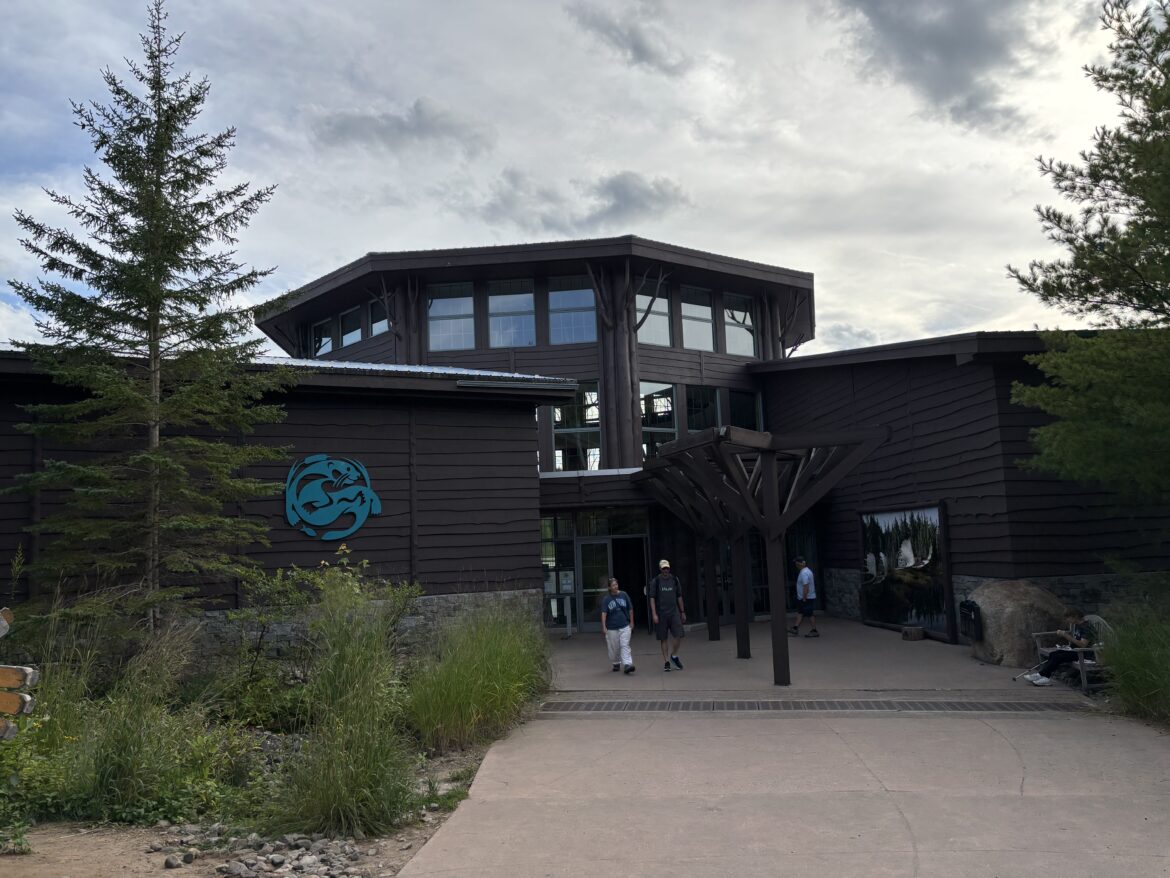
The Wild Center in Tupper Lake is a place where you’ll find yourself snapping way more photos than you expected. It’s so unique and packed with fascinating indoor and outdoor exhibits and natural beauty.
About the Wild Center
The full name is The Wild Center: The Natural History Museum of the Adirondacks. The organization was founded back in 1998 under that formal title, but “The Wild Center” quickly became the public-facing name used by staff, locals and donors. Over time, it became central to the Center’s identity and mission: a place focused on the wild itself, not just the history of it.
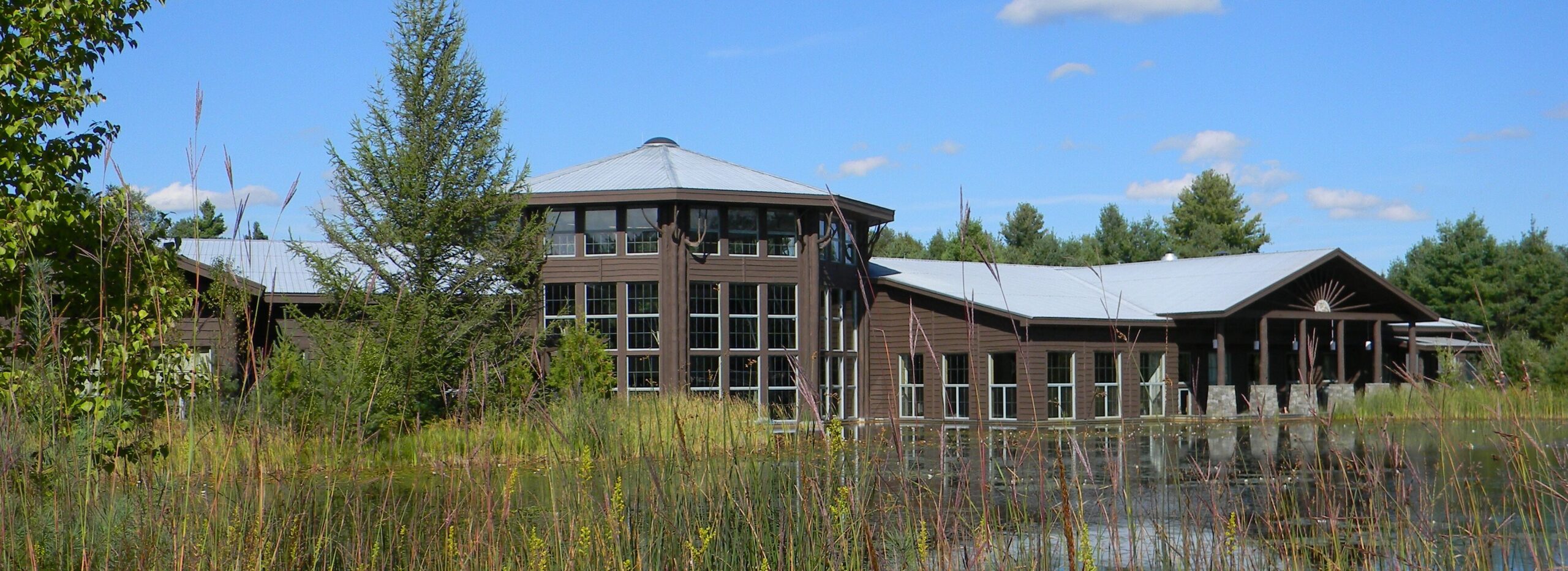
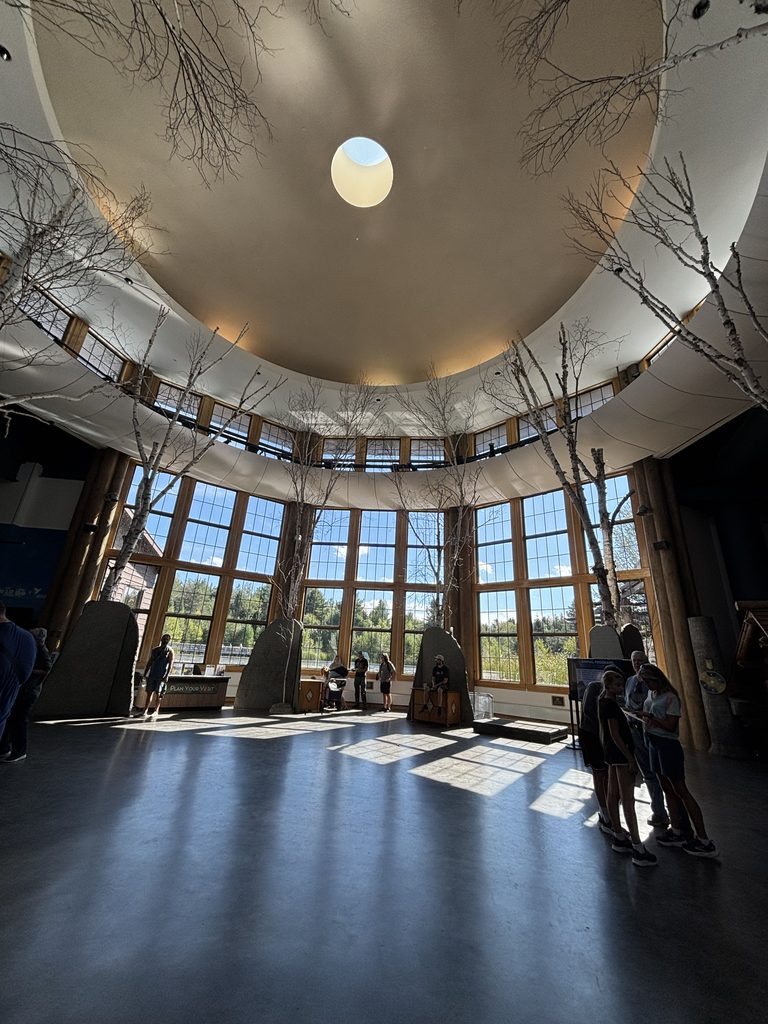
The Center opened in 2006 after years of fundraising, planning, land conservation, and thoughtful construction that was designed to blend into the landscape. Even in its earliest form, the Wild Center was already looking ahead, imagining long‑term conservation work, outdoor experiences, and new ways to connect people to the Adirondacks in an immersive, hands‑on way.
Over time, more than 80 acres of adjacent land were donated to the museum, giving it the space to grow into a first‑class natural campus. Exhibits have consistently earned national recognition for the way they mix science with storytelling, making the indoor experience feel both educational and alive.
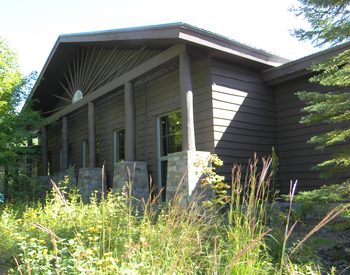
In 2015, the Wild Walk opened and changed the scale of the entire place. This one‑of‑a‑kind architectural trail rises into the forest canopy and transformed the Center from a museum into a full outdoor adventure and play experience. In 2019, the otter animal ambassadors arrived and quickly became beloved, adding movement, personality, and a bit of fun to the exhibits.
This year the Wild Center marks twenty years with Trolls: Save the Humans, a massive outdoor installation that feels perfectly in step with the Center’s history. It’s a playful, thoughtful installation that is rooted in nature, and designed to make visitors look at the world a little differently.
You can learn more about the Wild Center’s history and view a timeline on their official site.
The Campus and Trails
The campus spans 115 acres, giving the Wild Center room to grow. The main building sits near the pond, anchoring the campus, while the rest of the property extends outward into woods, marshland, and riverfront that are beautiful and ecologically rich. Everything is close enough to explore within a single visit, yet spaced thoughtfully so each area reads as its own environment with its own character.
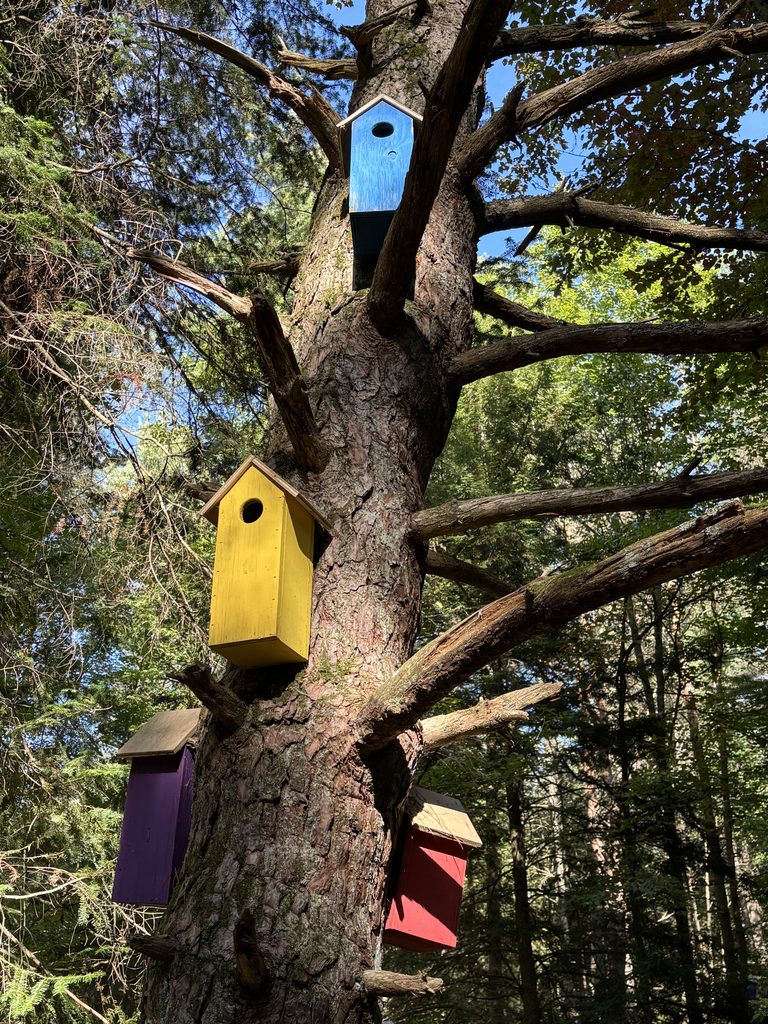
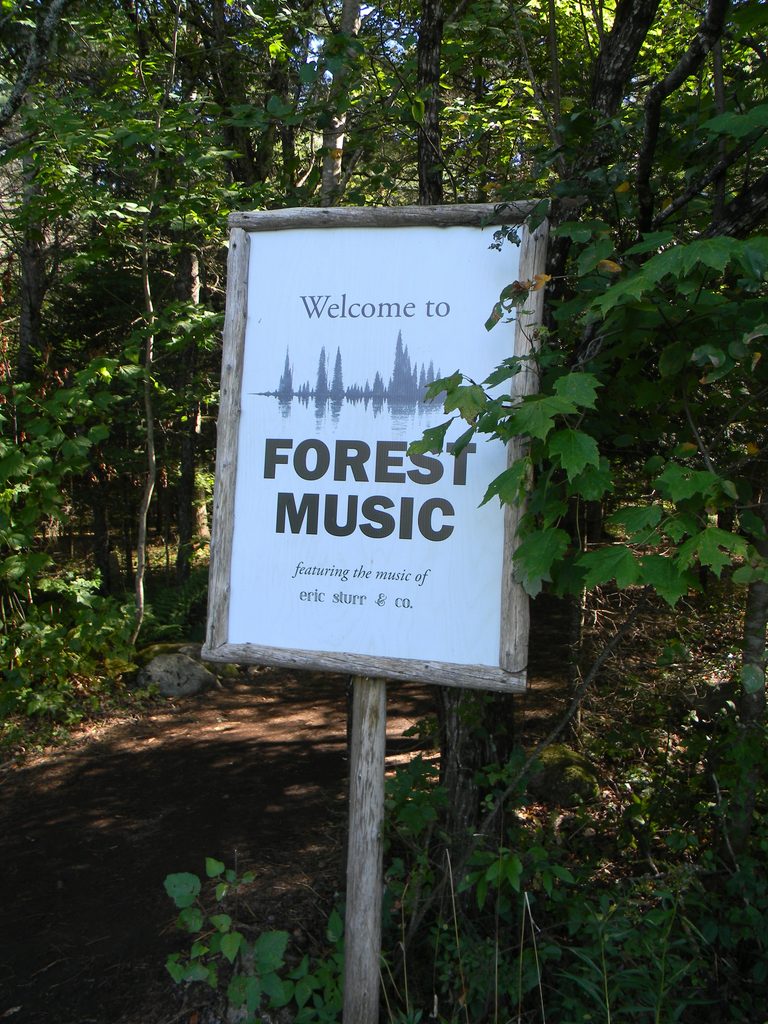
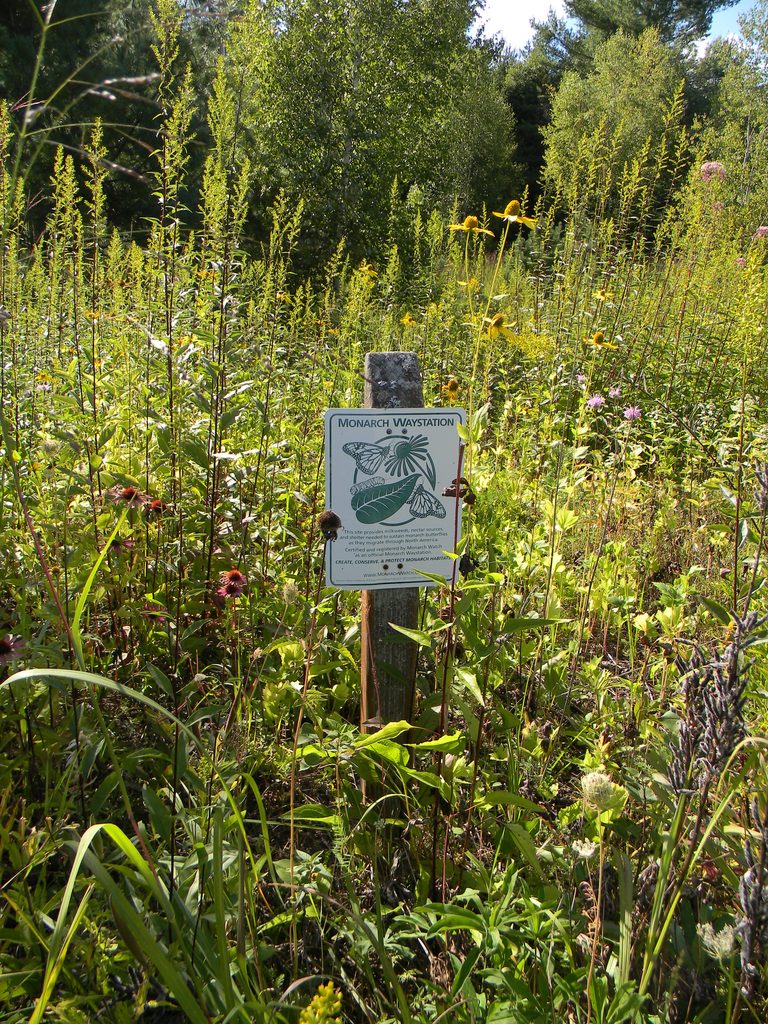
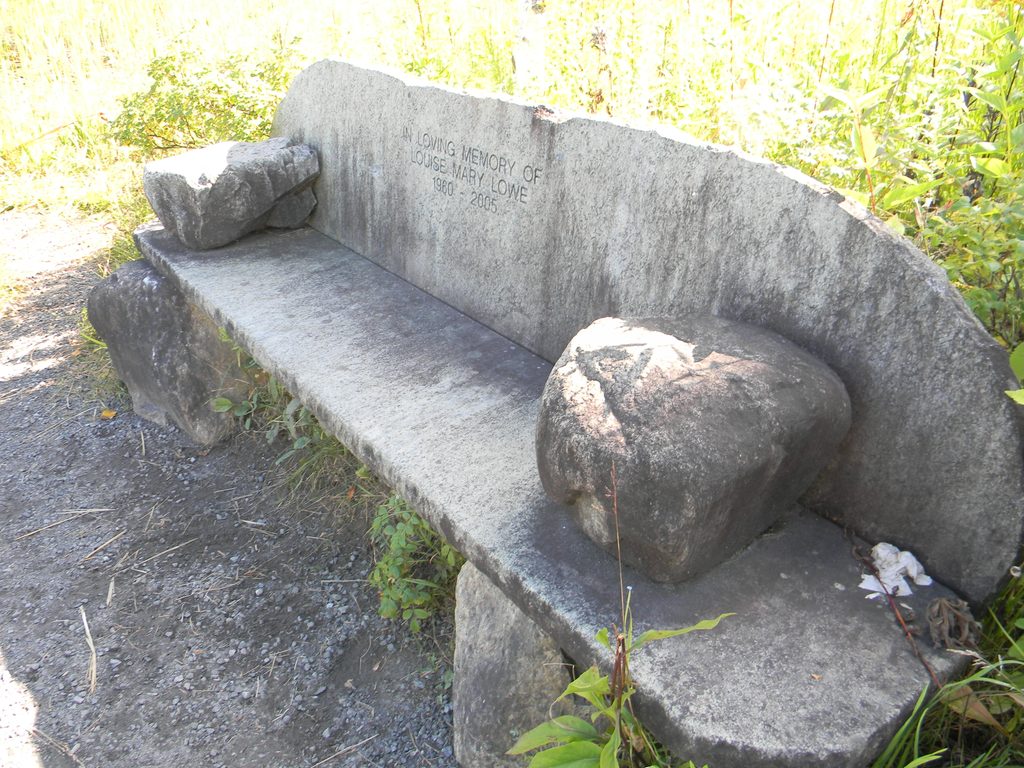
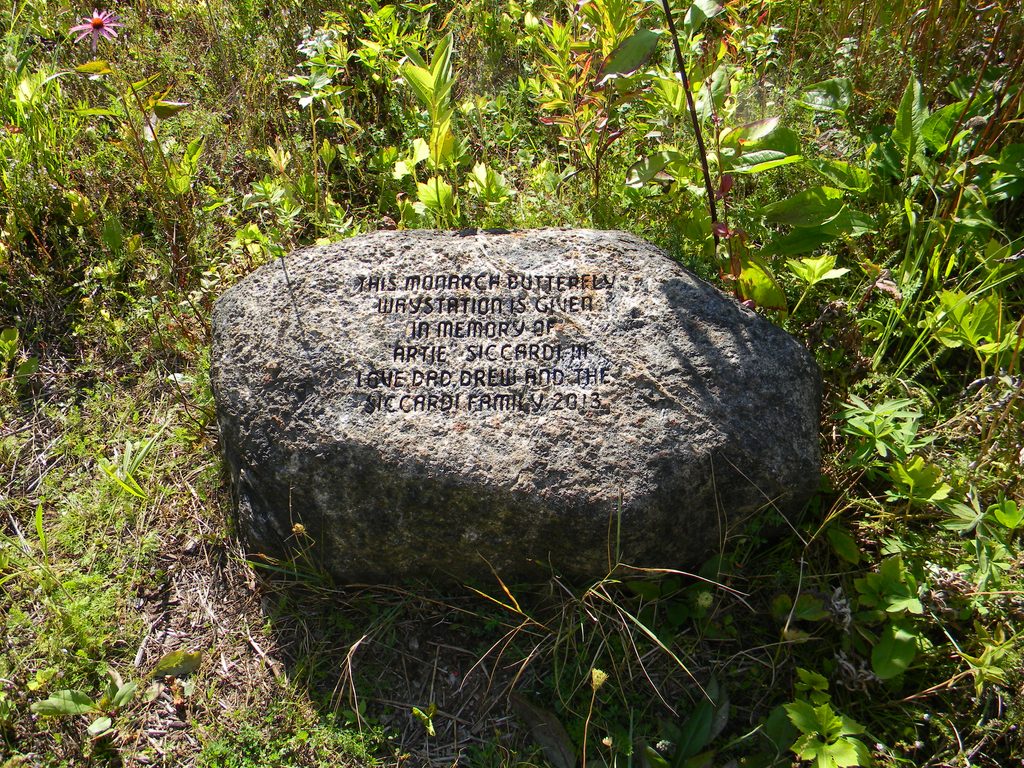
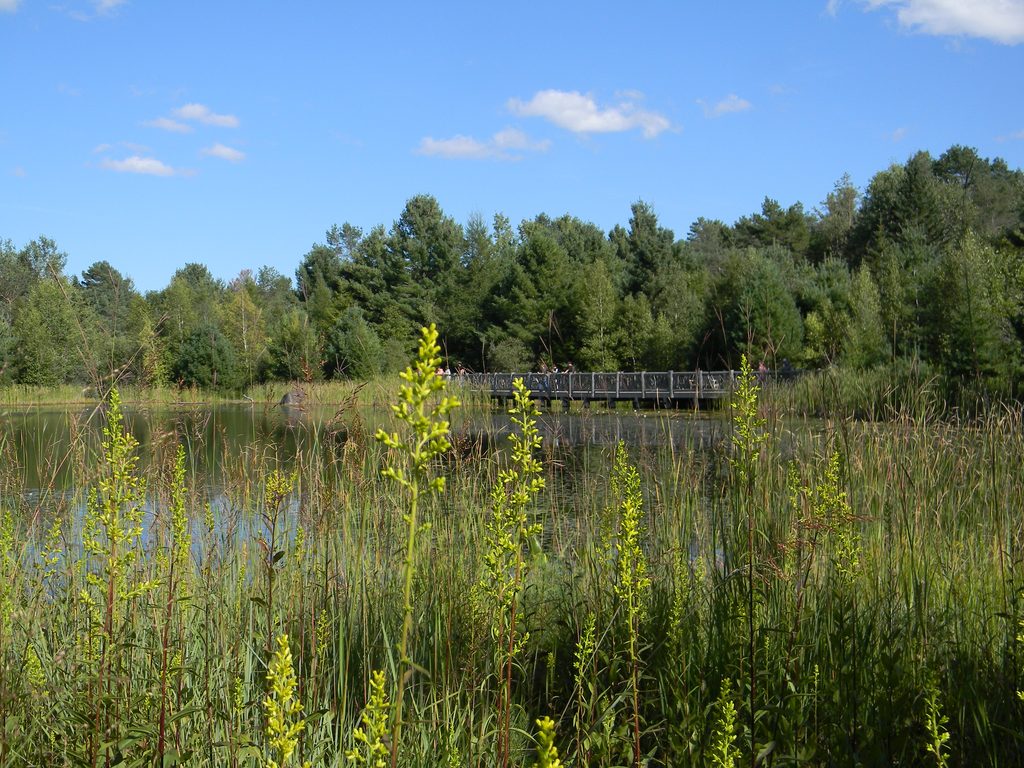
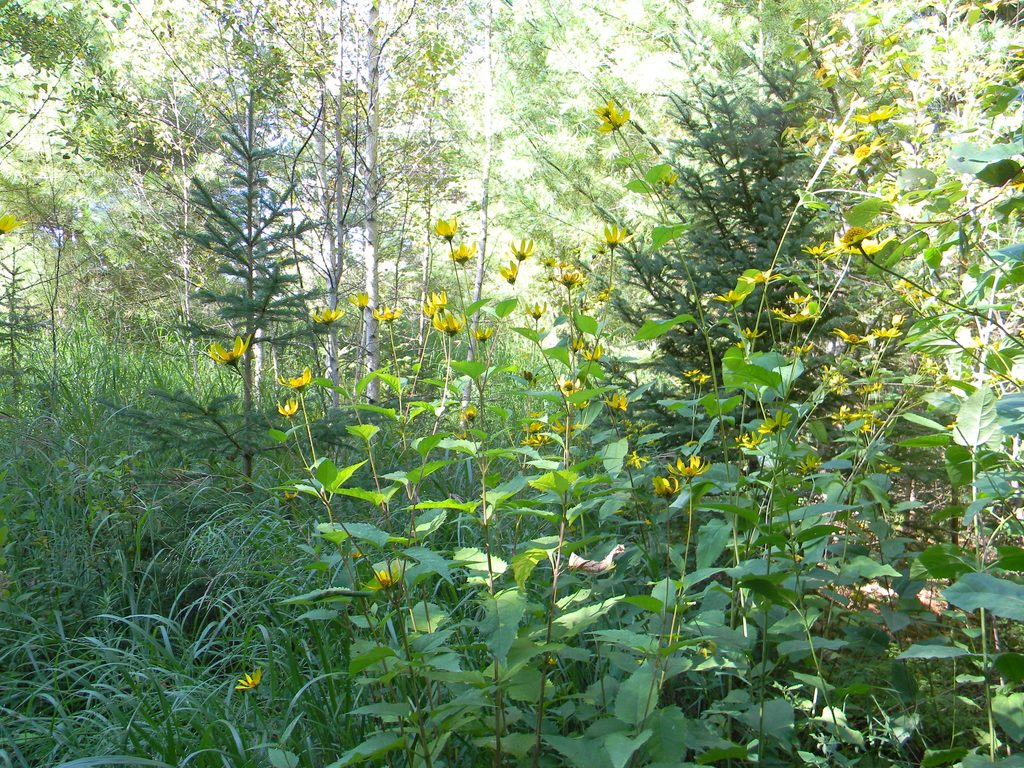
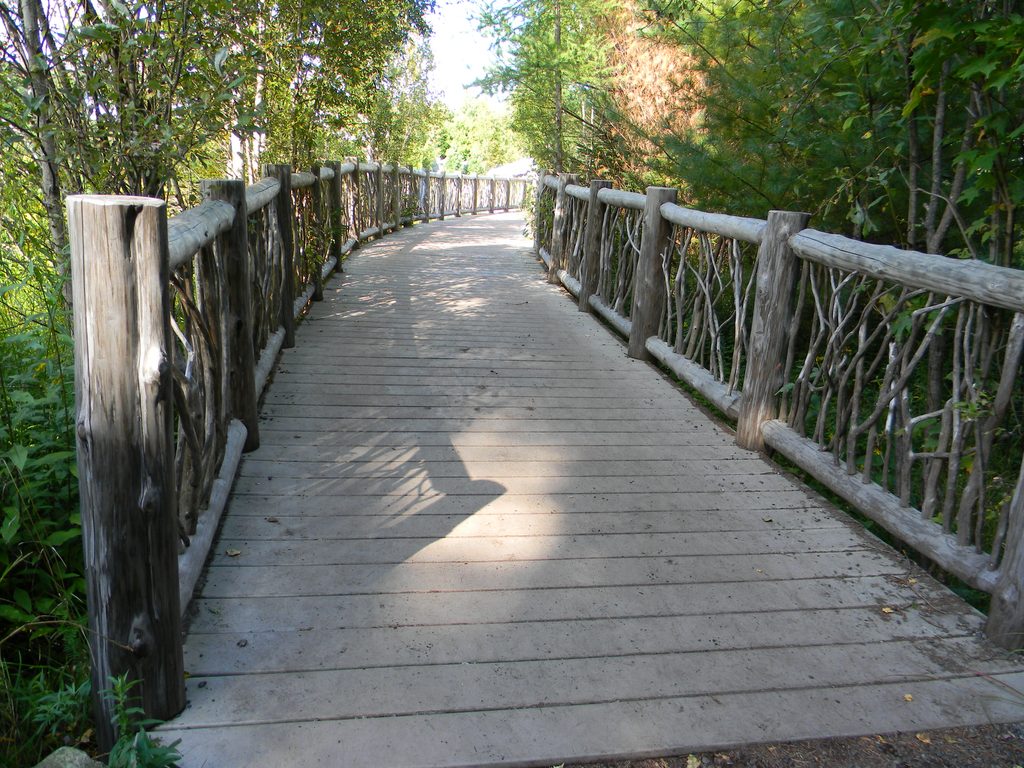
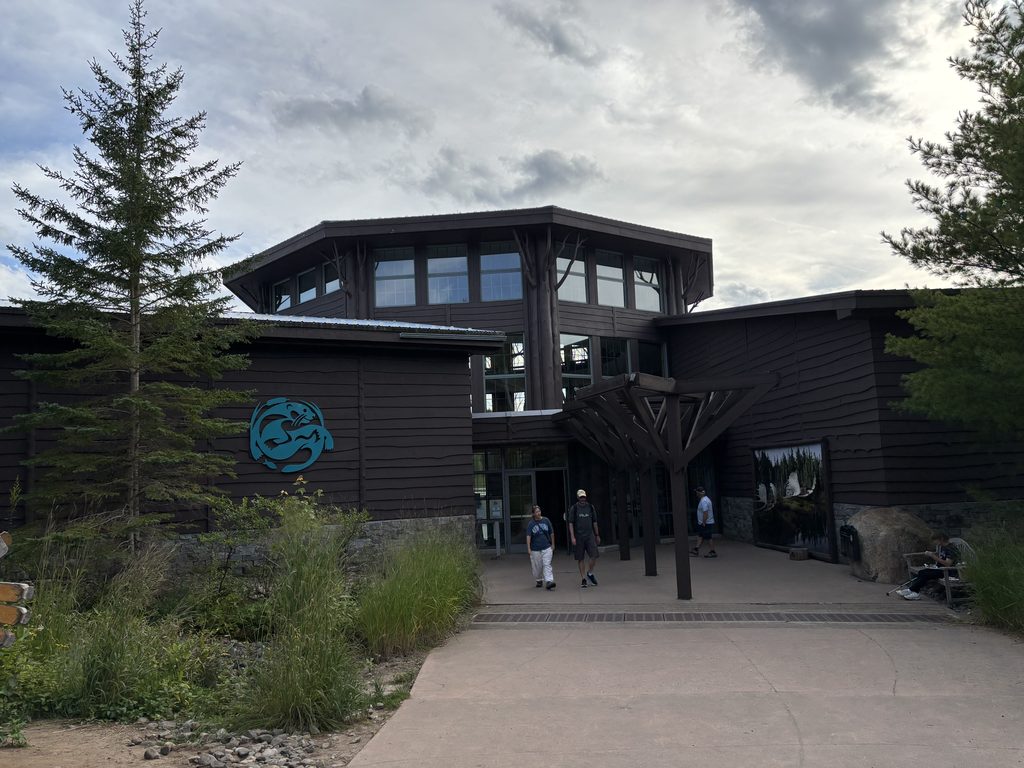
The trails that connect the campus are short and relatively level, but the variety of ecosystems and terrain within them creates an experience that feels far more expansive. They offer accessible hiking that still carries a sense of adventure. The Wild Walk rises above the trees on one side of the campus, while the trail network weaves beneath it and continues through the woods and wetlands on the other. The network covers over two miles of connected paths, ranging from very short, easy trails ideal for families or visitors seeking a gentle walk, to slightly longer routes that wind through forests, fens, and open spaces. Together, they offer a layered sense of the Adirondack landscape without requiring a full backcountry hike.
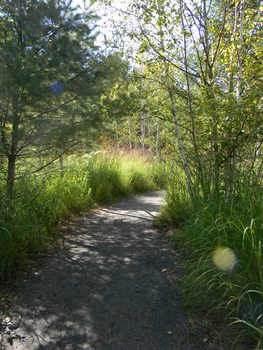
- The Forest Trail moves through quiet stands of trees and offers glimpses of the Wild Walk rising above the canopy.
- The Fen Trail brings you into a wetland landscape, with boardwalks that keep you close to the plants and wildlife that thrive in the marshy areas. This short hike brings you through an environment shaped by marsh plants, grasses, and the quiet movement of water.
- The Oxbow Overlook gives you a view of the Raquette River with plenty of scenic natural points along the way.
- The Forest Music Trail is a short 1/4 mile loop that winds through the forest and features original music and soundscapes designed to enhance and highlight the sounds of the forest.
The Wild Walk: Architecture that Blends In
The Wild Walk is one of my favorite experiences in the Adirondacks. It is an elevated trail that lifts you into the tree canopy, giving you a perspective that feels adventurous, yet completely natural. The entire experience and physical structure feels like it was designed to belong in the Adirondack forest rather than interrupt it. Everything about the Wild Walk leans into a balance of play, adventure, and respect for the landscape.
The suspended walkways rise gradually, creating an accessible slope that lets you feel the forest change as you ascend. You start in a covered, close, enveloping stretch of woods and slowly move up among the tops of the trees, where the sky opens and the Adirondack landscape stretches out in front of you. The pillars that support the structure resemble tree trunks, and their colors blend beautifully with the forest. They are tall and slender, spaced in a way that mirrors the natural rhythm of the woods. Even though you are walking on a significant man‑made structure, it never feels like you have stepped out of nature. It is an impressive feat of engineering, yet it lives so seamlessly in the trees that you might not even notice the complexity behind it.
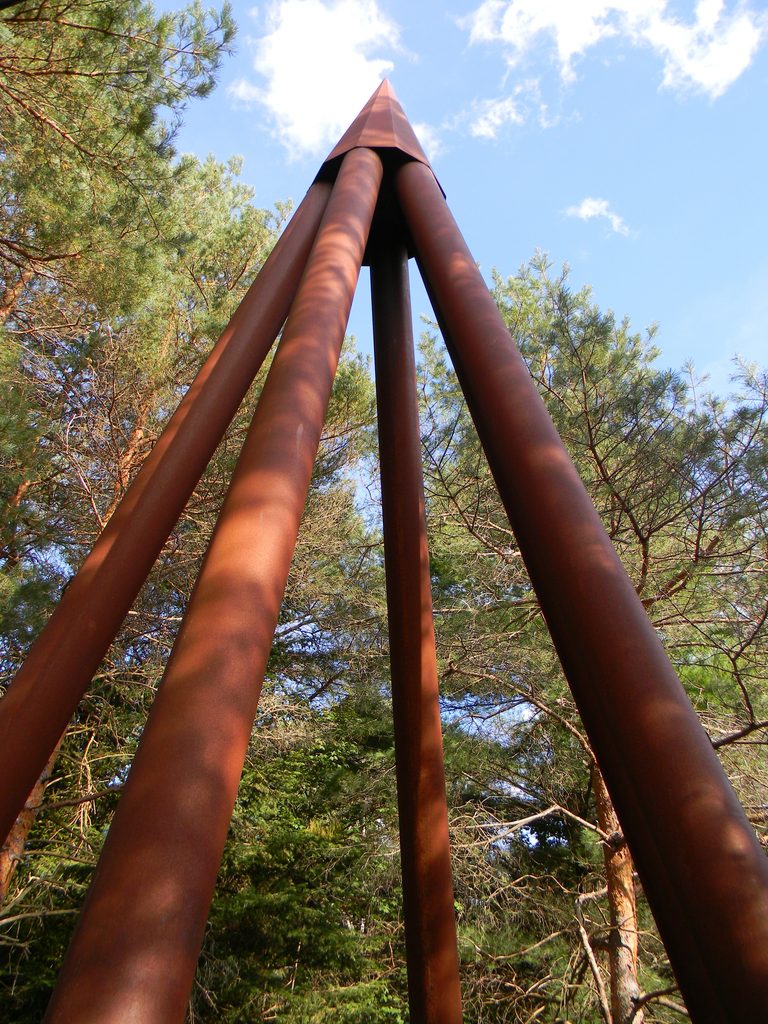
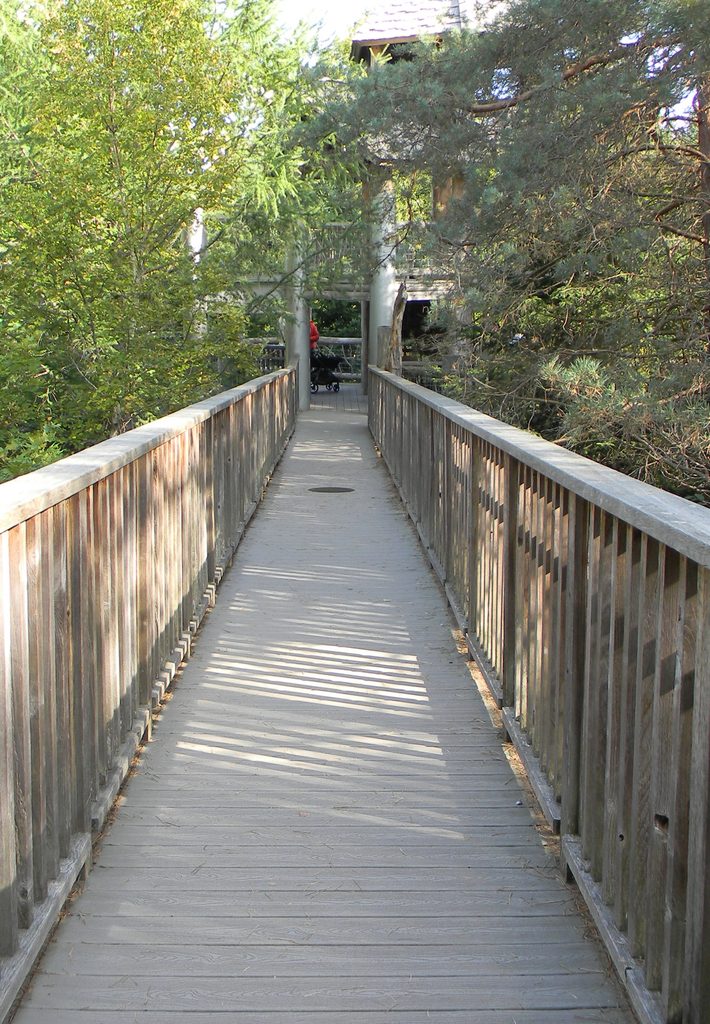
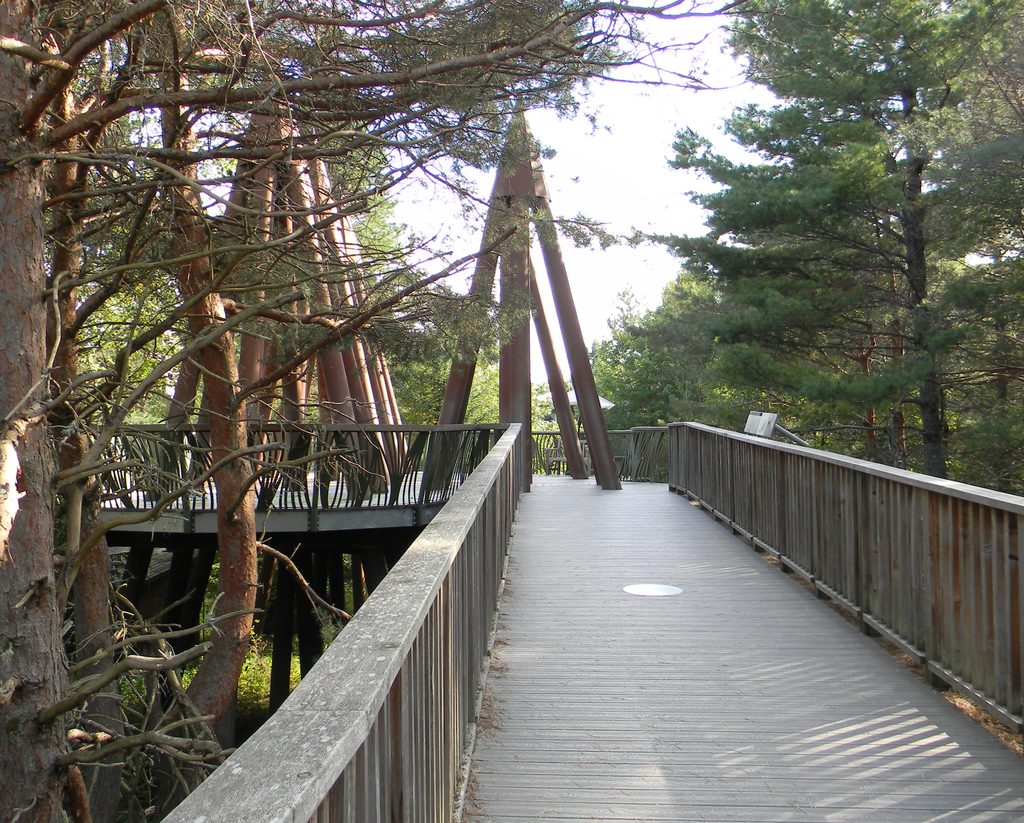
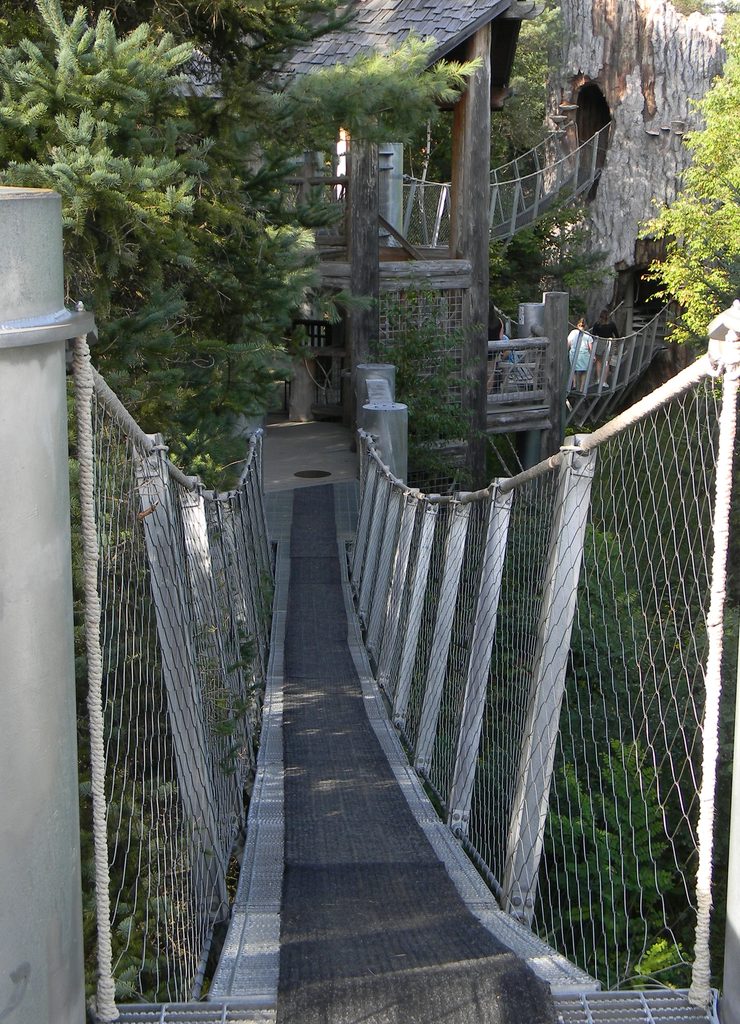
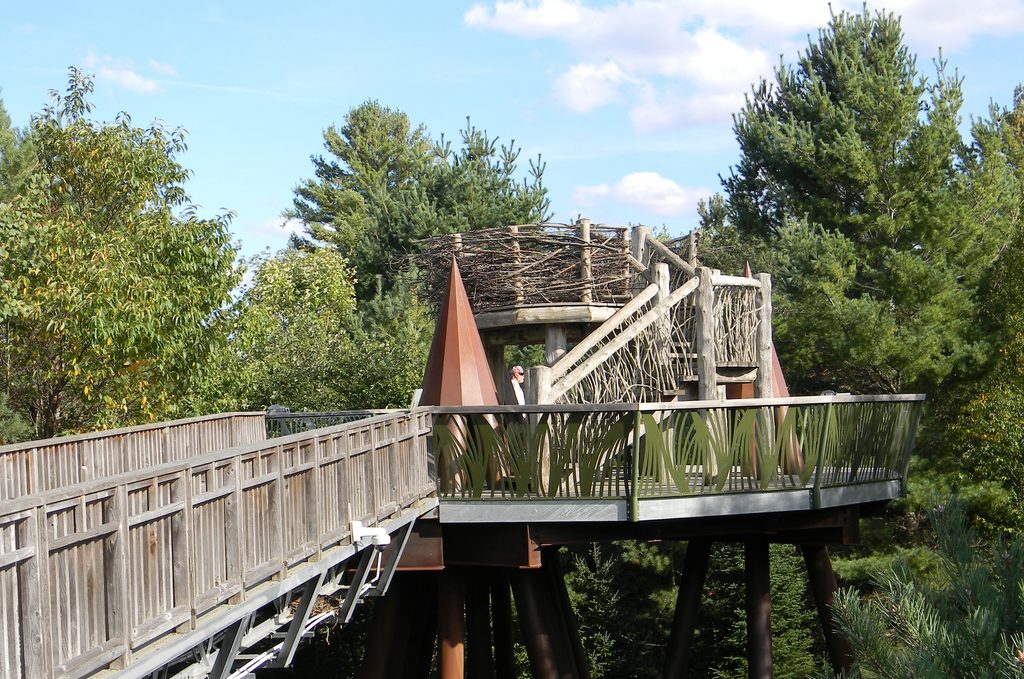
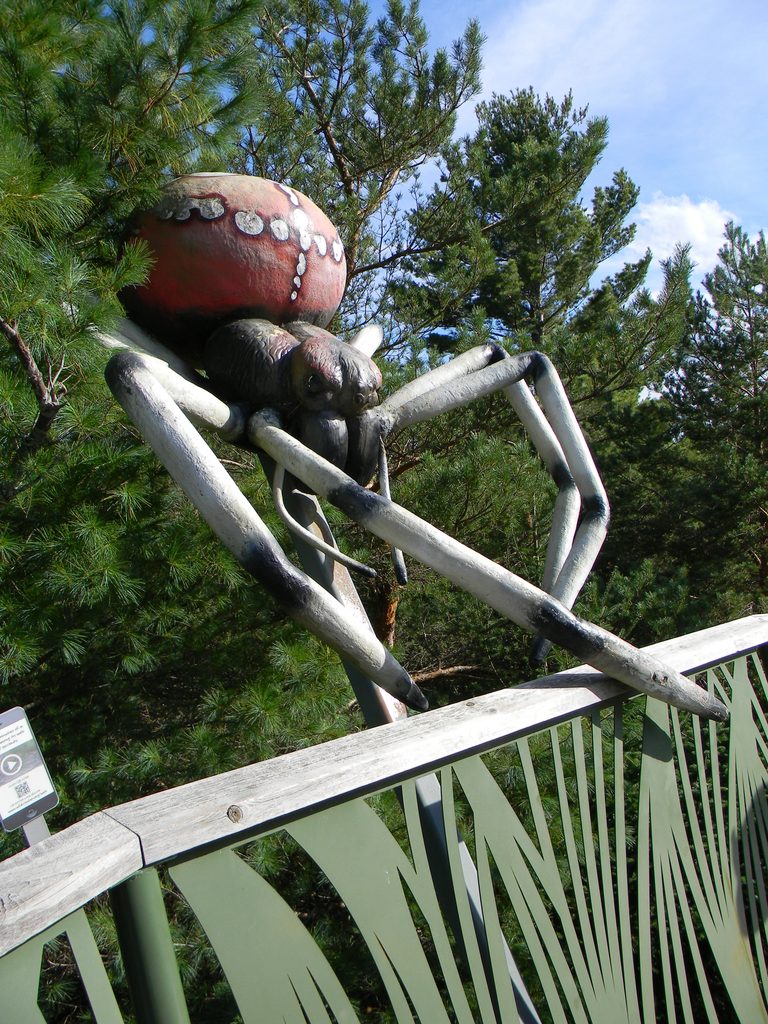
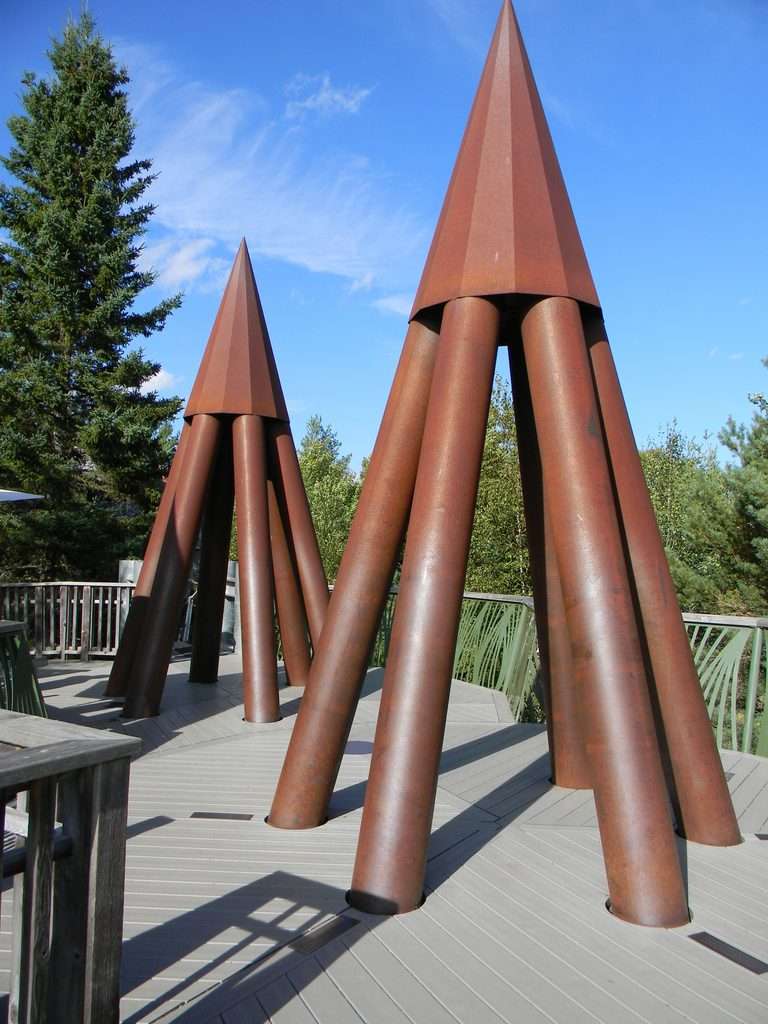
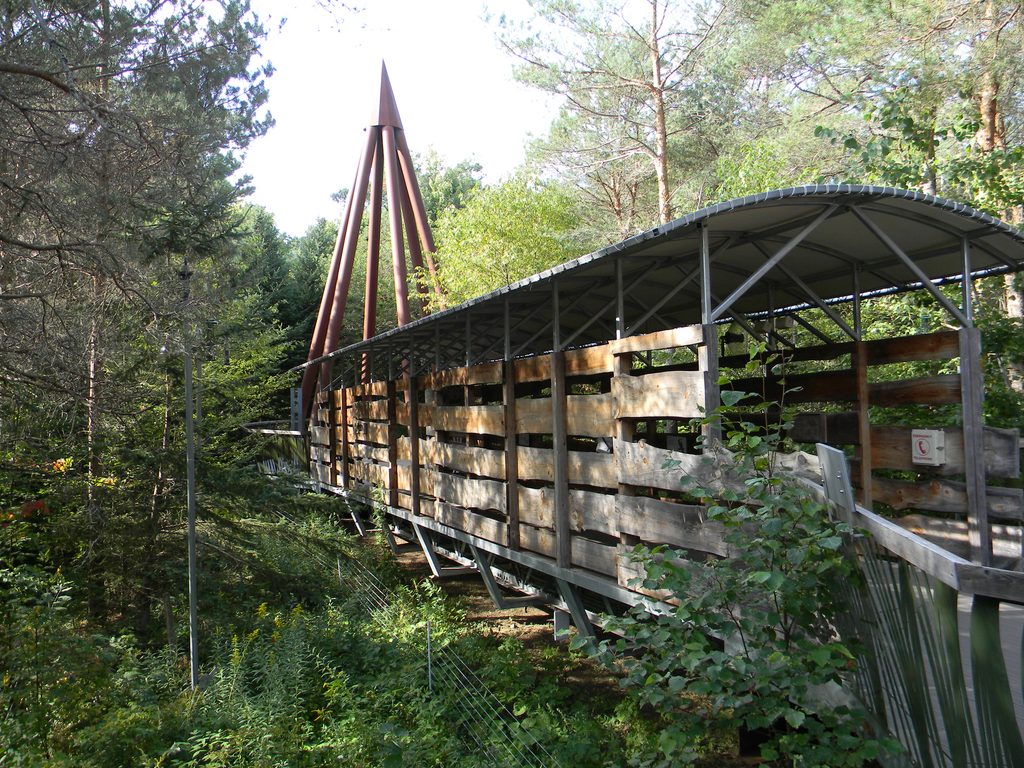
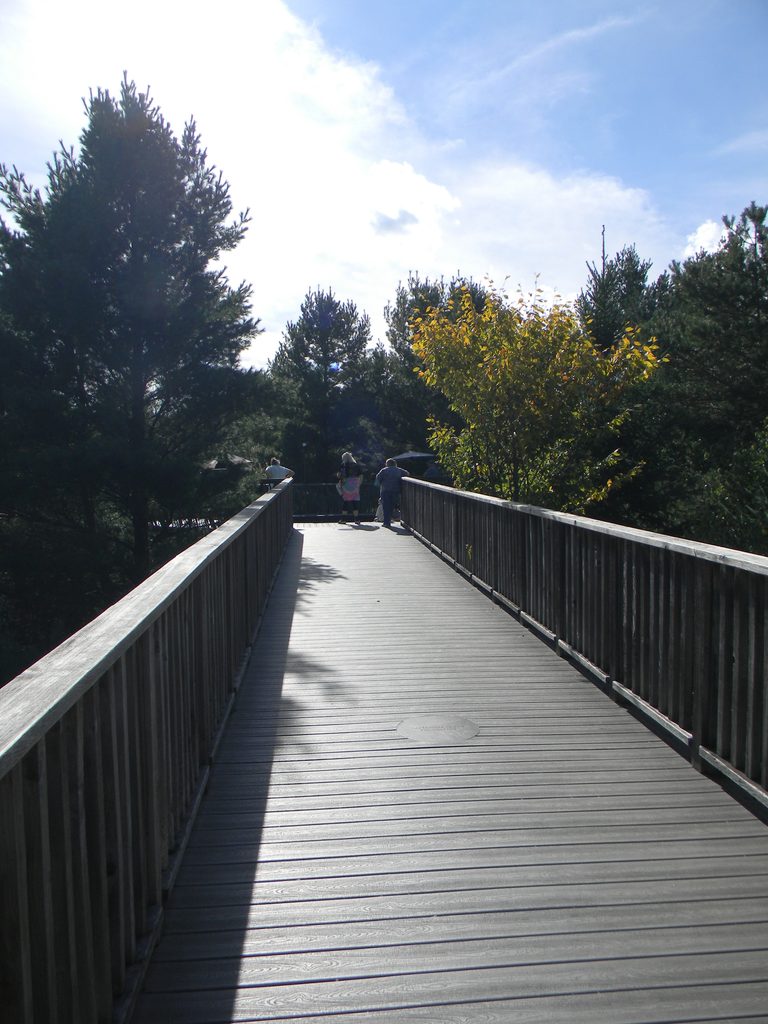
The Wild Walk uses natural materials wherever possible, and even the engineered parts are toned to blend with the surroundings. Weathered wood, muted metal, and rope give everything a grounded, organic feel. Curved lines, nature‑referencing details, and soft shapes keep the structure from ever feeling rigid or out of place.
The main attractions are the spider web and the nest. They are designed with kids in mind, but adults will enjoy them just as much, especially when taking in the scenery while the kids explore safely. The nest feels like a giant version of something you might actually find in the trees, and stepping into it feels a little like entering a real‑life storybook. From inside, you can look out at the Adirondack mountains layered in the distance. The treetops ripple with the wind, and the whole scene has a calm, elevated feeling. It offers a full 360‑degree view from one of the highest points of the structure. The spider web, complete with its lifelike spider, is an incredible recreation of a web suspended above the forest floor.
The suspended bridges add a bit of movement and adventure to the experience. They give just enough to remind you that you are above the forest while remaining completely safe and accessible for visitors of all ages. They are among the most interesting features of the Wild Walk. The bridges do sway subtly, but they are firmly anchored and reinforced to support heavy foot traffic while staying sturdy and reliable. The boards are spaced to let light and glimpses of the forest floor slip through, creating an exciting experience that still feels thoughtful and accessible. From the walkway to the railings, the curved lines and natural colors make the entire structure feel like an organic part of the forest.
Trolls: Save the Humans
Currently, Trolls: Save the Humans, an expansive outdoor art exhibition by Danish artist Thomas Dambo, is installed throughout the campus. The exhibition is not confined to a single area; instead, the trolls appear throught the trail system, emerging from forest edges, tucked beside trails, and positioned near water and open spaces. Their placement encourages visitors to explore by creating unique scenes where each sculpture interacts with its surroundings.
The installation features giant troll sculptures constructed from reclaimed wood and other recycled materials. Dambo’s work is rooted in sustainability, and the trolls themselves are intentionally built from materials that would otherwise be discarded. According to the artist’s description, the trolls draw inspiration from Nordic folklore, where trolls are often depicted as ancient beings connected to the land. In Dambo’s interpretation, they serve as gentle guides and teachers, inviting visitors to consider their relationship with nature and to reflect on the responsibilities humans carry as stewards of the planet.
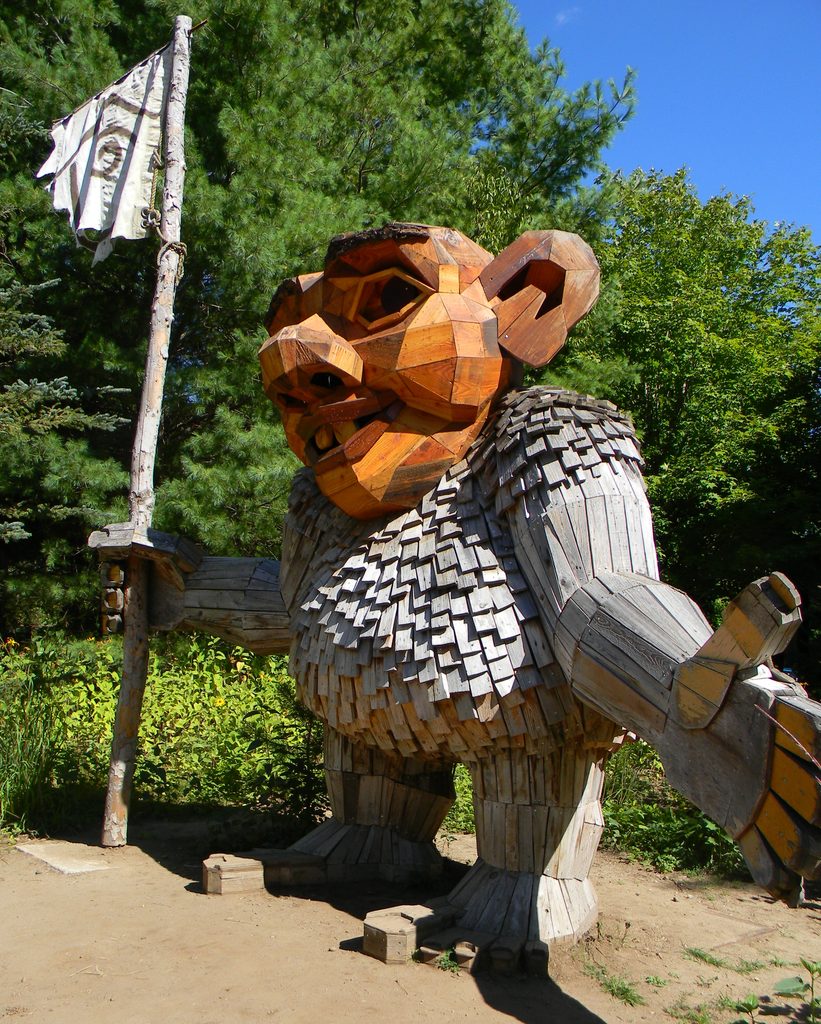
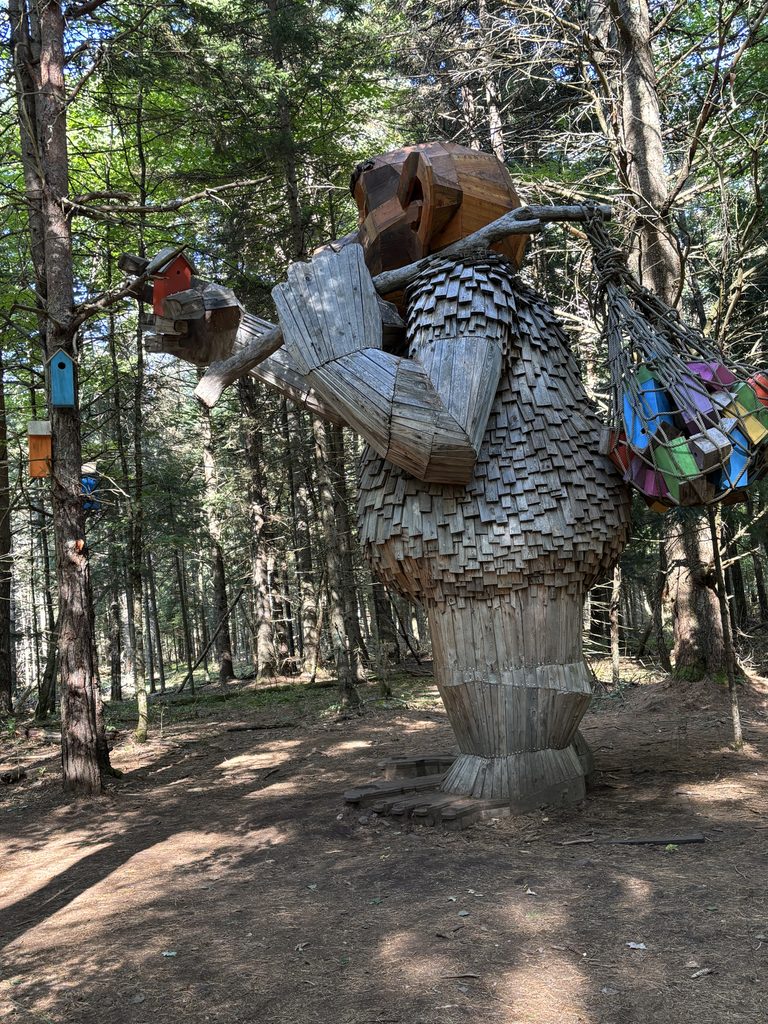
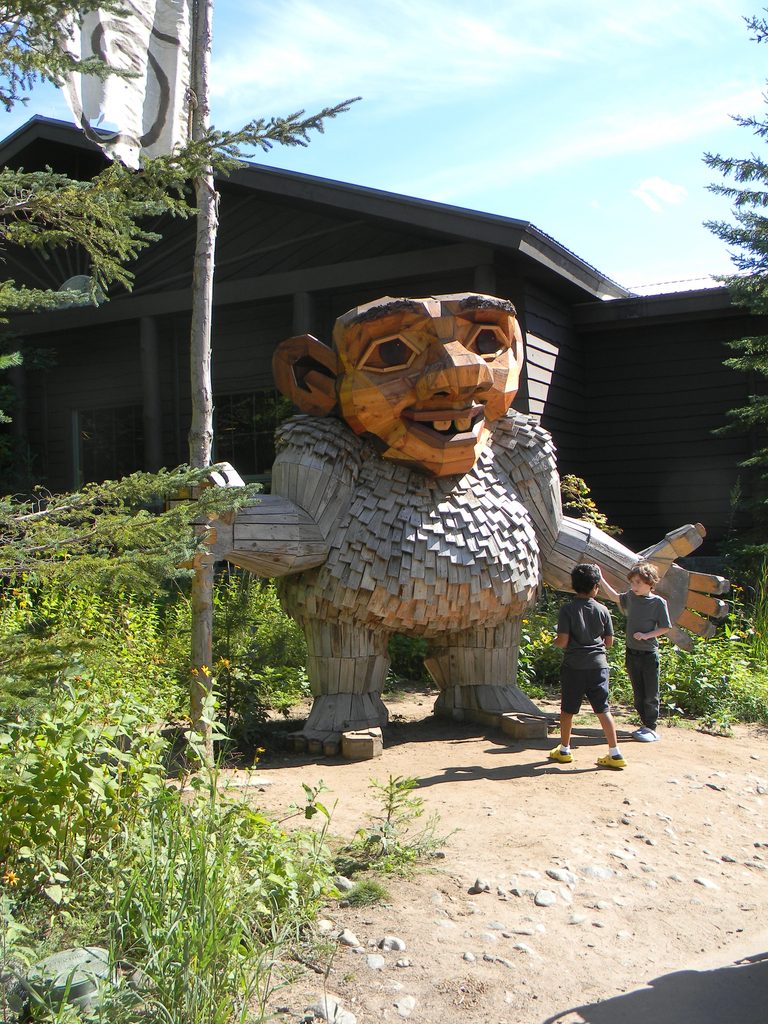
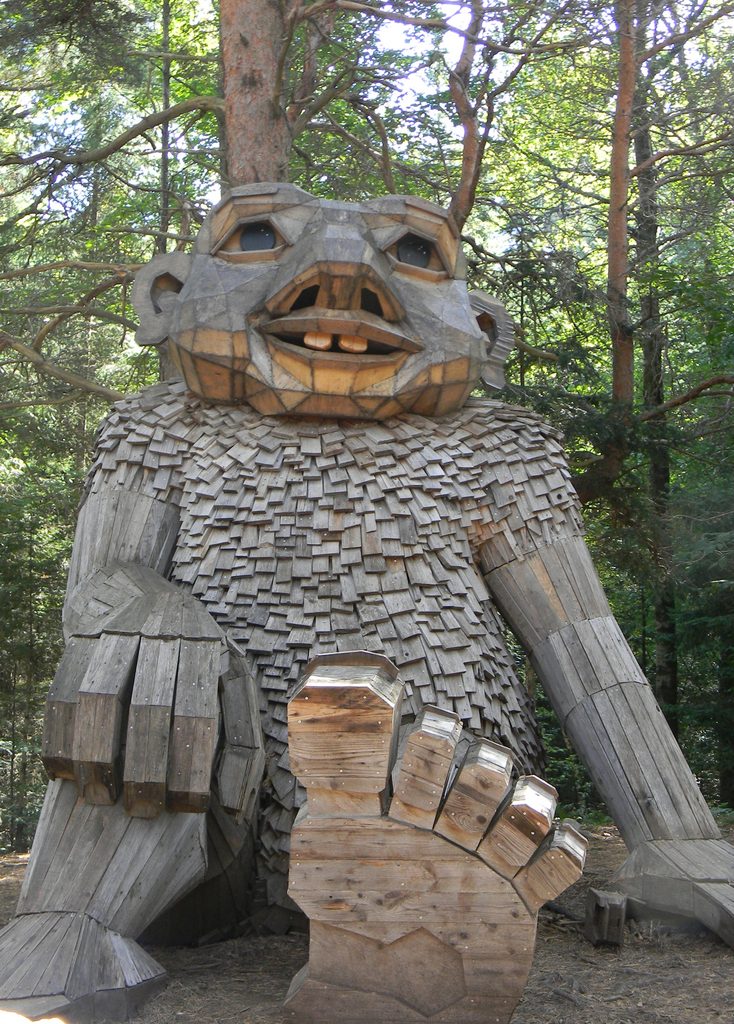
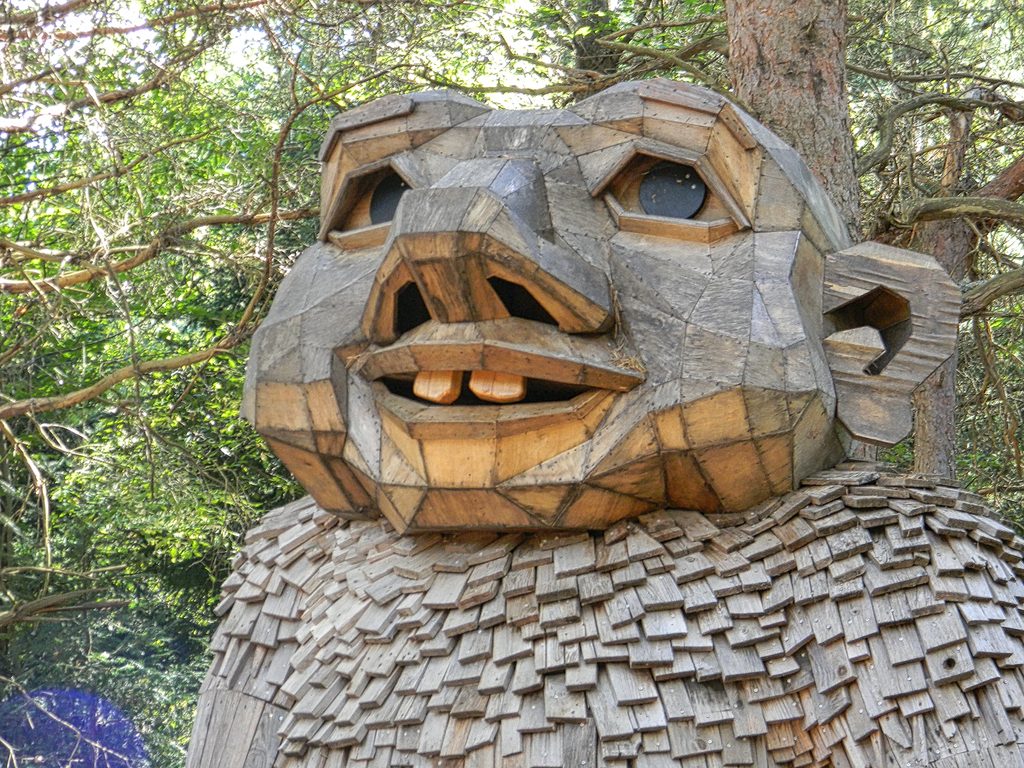
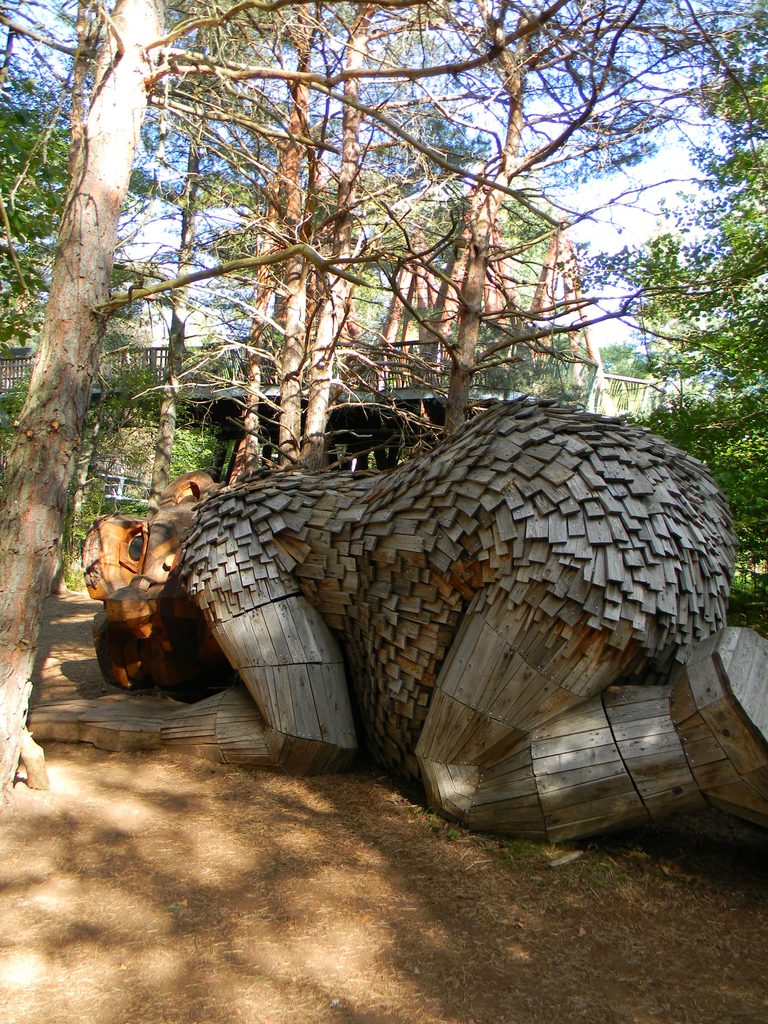
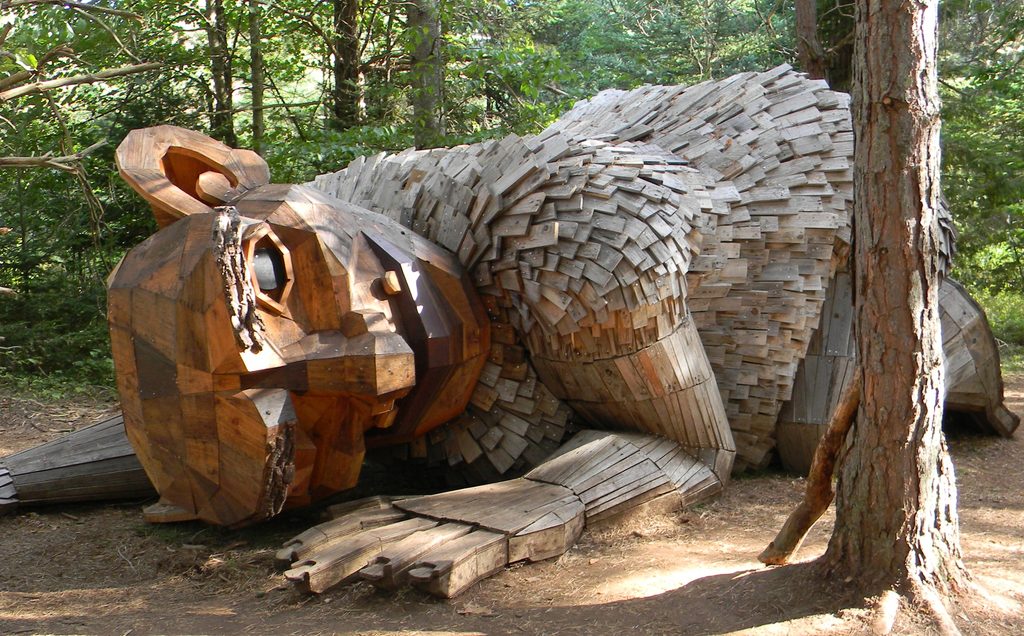
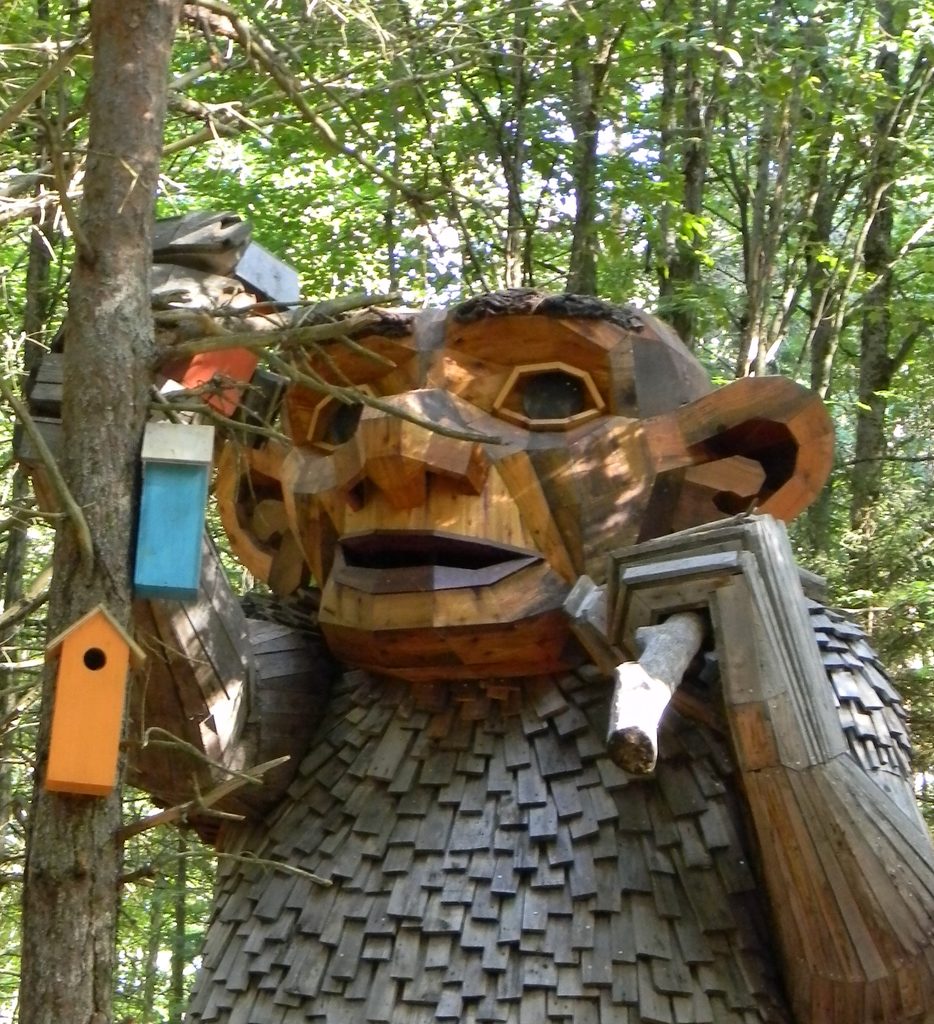
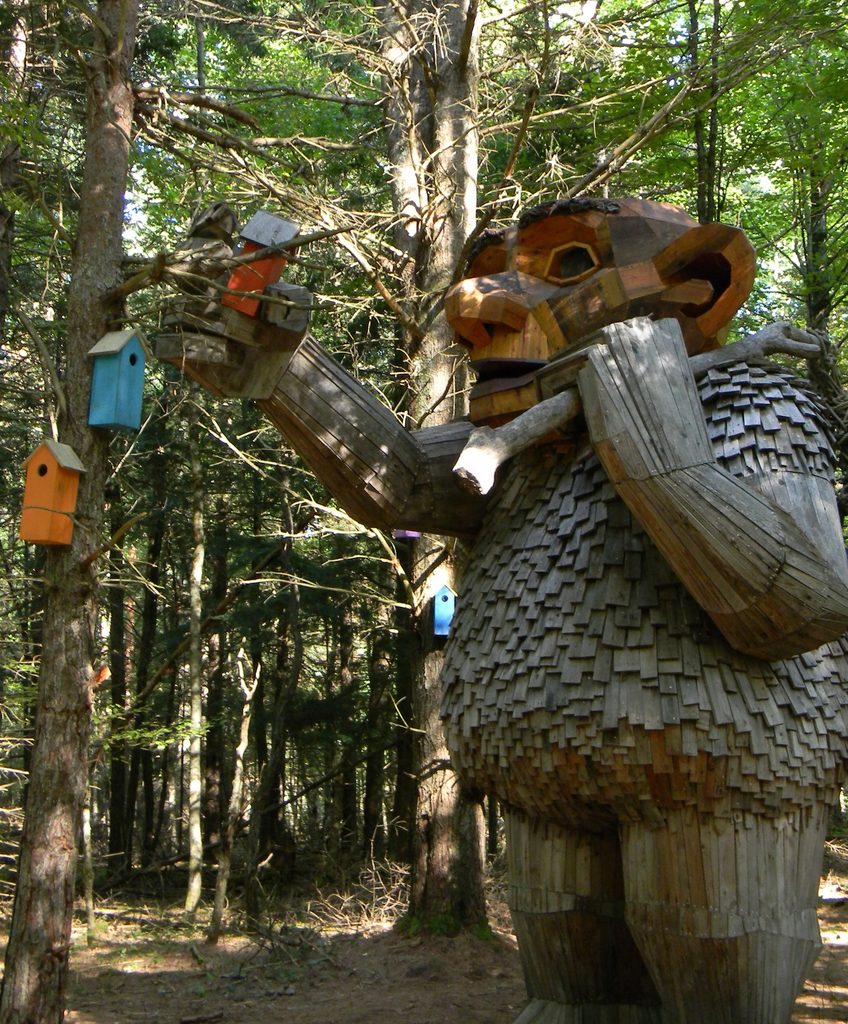
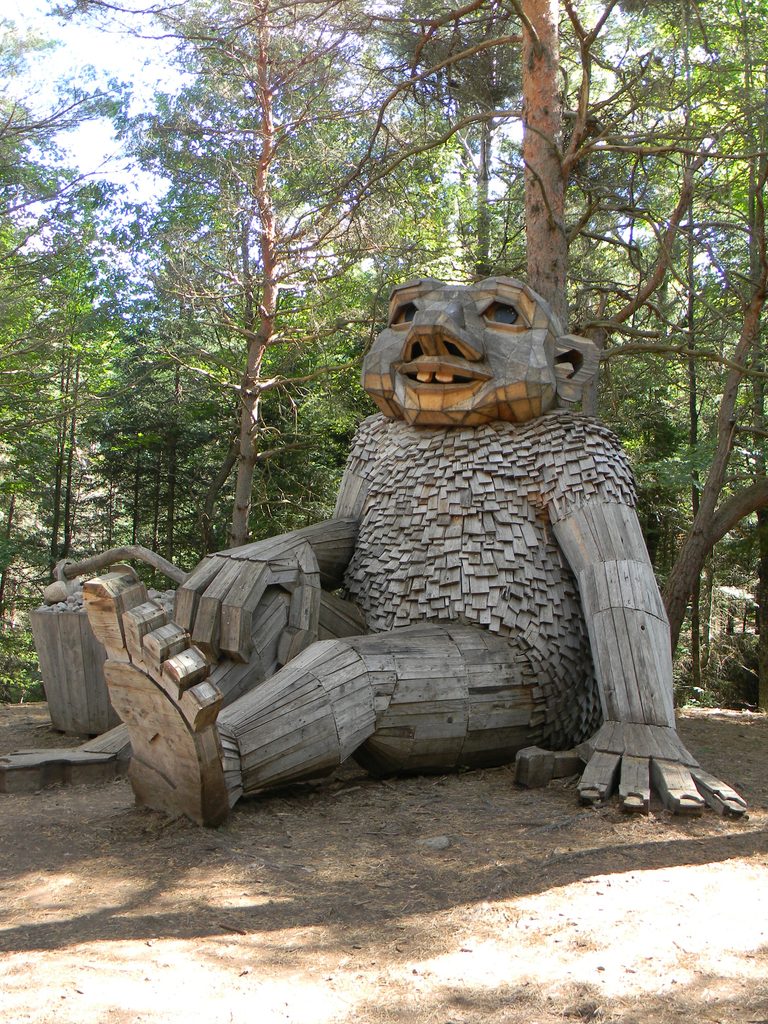
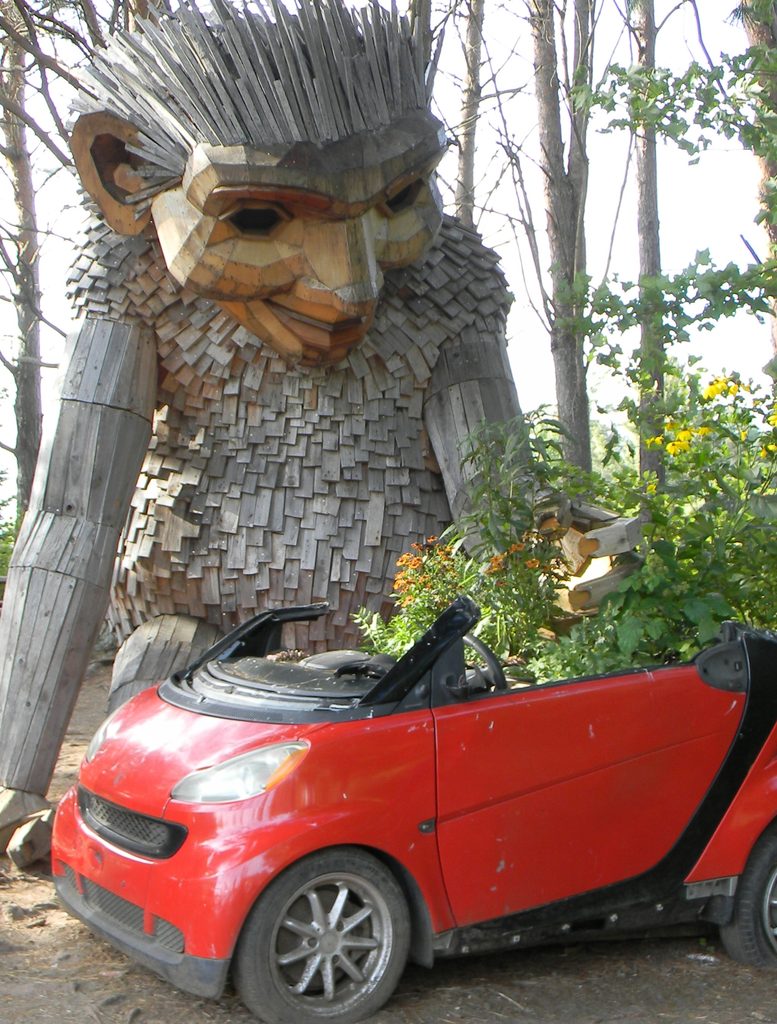
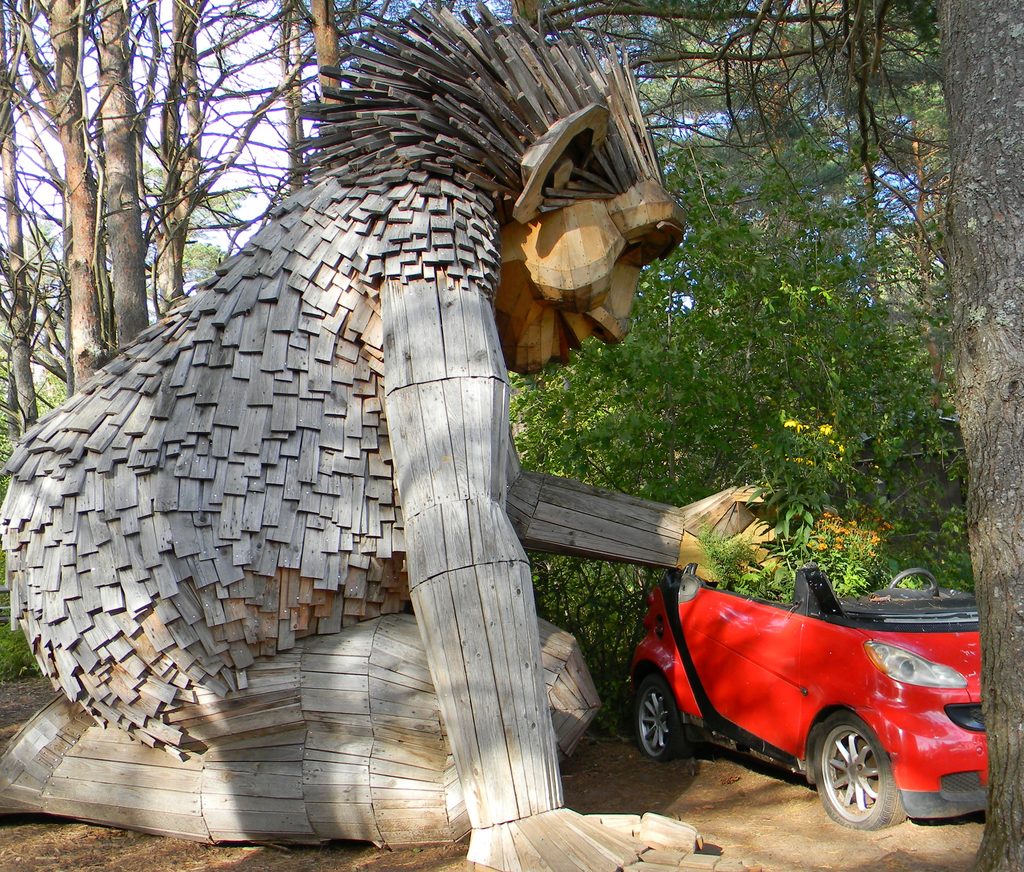
Each troll has its own personality and narrative, expressed through their posture, facial expressions, and the environment in which it is placed. Some appear contemplative, others playful, and all are scaled to create a sense of wonder. Their size alone shifts the experience of the campus, adding moments of surprise and delight as visitors encounter them along trails, near the pond, or rising from wooded areas.
According to the Wild Center, Trolls: Save the Humans has become its most popular attraction to date, drawing record attendance. The installation aligns closely with the Center’s mission by blending art, environmental education, and immersive outdoor experience, making it both a playful addition and a meaningful extension of the Center’s interpretive work.